British ColumbiaWildlife
Whale Watching Tour from Victoria
A guided marine wildlife cruise in the Salish Sea, home to orcas, humpbacks and seals.
Whale watching runs April to October around Victoria, BC, and from late May to mid-October at Tadoussac, Quebec. The best aurora viewing from Yellowknife runs from mid-August to April. Sightings of whales and the northern lights are natural events and are never guaranteed, so allow flexibility or extra nights.
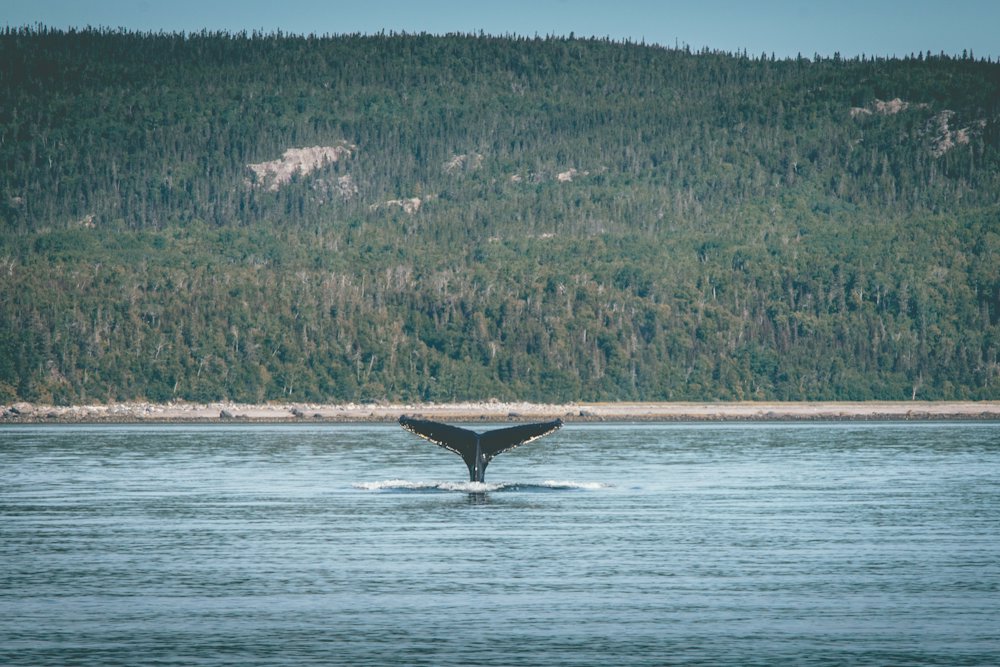
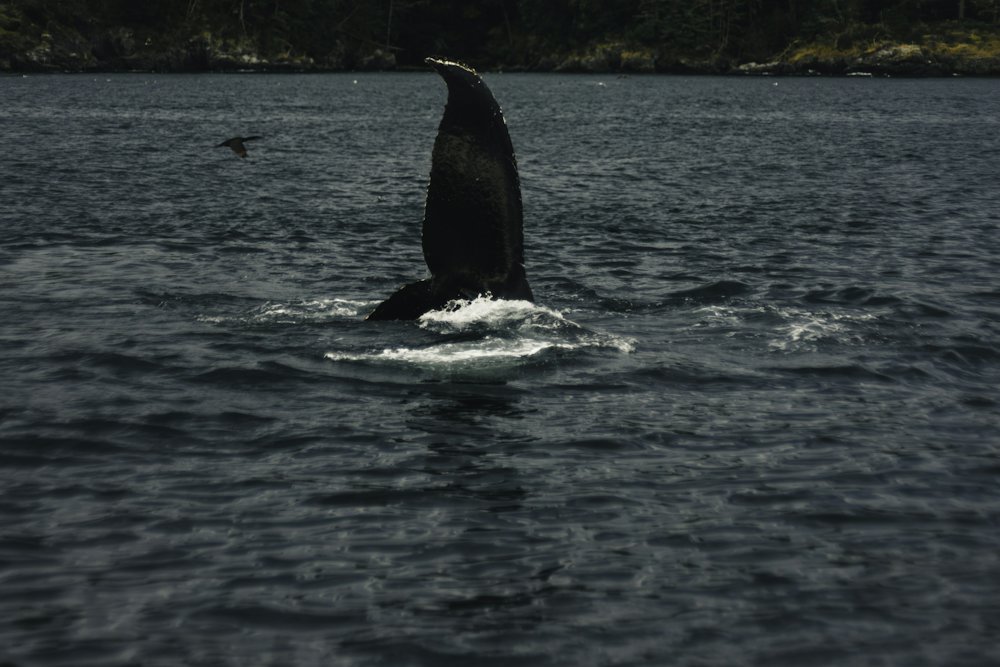
The waters around southern Vancouver Island are known for orcas, humpback whales, harbour seals, sea lions and bald eagles. Whale watching tours leave from Victoria harbour and typically last three to four hours.
The season runs from April to October. Wildlife moves with the food supply, so the animals you see will change from trip to trip. A naturalist on board explains what you are watching and how to observe it responsibly, and responsible operators keep a respectful distance from the animals.
Many boats offer indoor seating if the weather turns, and cruises of a few hours fit easily into a visit to the city.
At Tadoussac, the Saguenay fjord meets the St. Lawrence estuary, and the mix of waters draws whales to feed. Minke, fin and humpback whales and belugas may be seen during the season.
From Quebec City it is a very long day, typically 12 to 14 hours, though the Charlevoix coast drive is scenic in its own right. This trip suits travellers who really want to see whales, rather than those looking for a relaxed outing. Further east, Cape Spear near St. John's is also a place to watch for whales and icebergs in season.
Dress warmly even in summer, because the river and fjord are cold and breezy on deck.
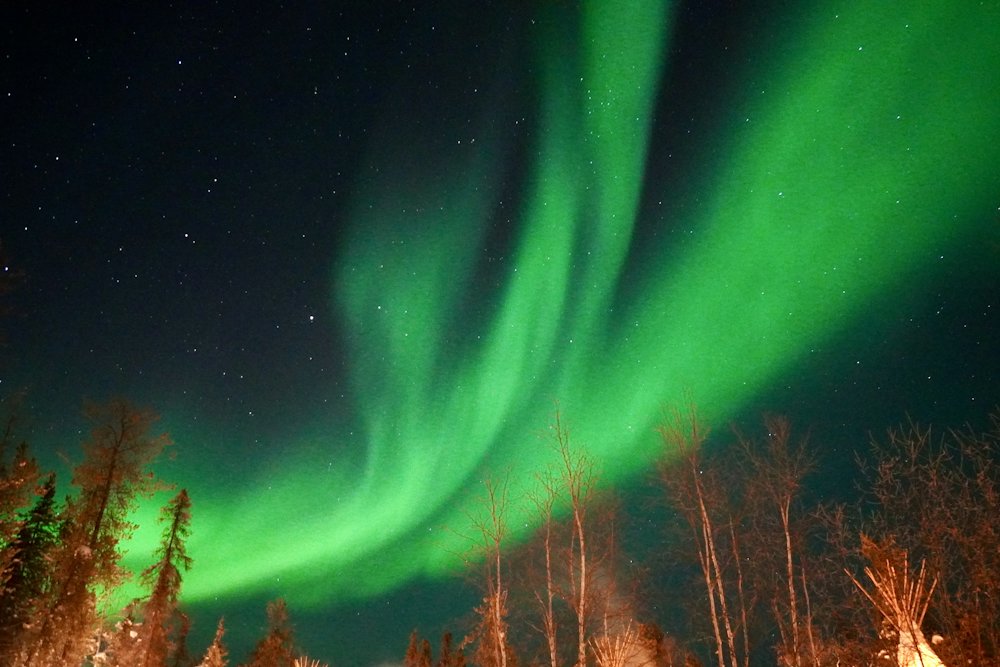
Yellowknife lies beneath the aurora oval, so displays are more frequent there than in southern Canada. The viewing season runs from about mid-August to April, when nights are long enough to be dark.
Summer nights further north are too bright to see the aurora well. Guided evenings take you away from city lights to a heated viewing spot, usually for four to five hours, with tips on photographing the sky. Winter nights can be extremely cold, so a heated shelter and warm layers matter as much as the sky itself.
Because the sky is the star, a clear forecast matters more than the date, and guides watch cloud cover closely.
Whales and the aurora are both natural events. Whales travel and feed where they choose, and the aurora needs solar activity, clear skies and darkness at the same time. A bright moon can also wash out fainter displays.
Good operators say so openly. If a company promises a sighting, be careful. A better question is how they improve your odds, for example by scheduling several evenings or choosing departures that fit the tides and weather.
That is why seasoned travellers treat these outings as opportunities, and a good guide can turn a quiet wait into a memorable evening with stories, science and good company.
A few habits help whichever experience you choose.
Victoria is the easiest to fit into a wider trip, since the cruise is a half-day outing and the city has plenty to see around it. Tadoussac asks the most of your time, but it rewards you with fjord scenery and a different set of species. Yellowknife takes planning around flights and clothing, and it is best treated as the main purpose of a trip rather than an add-on.
Many travellers who love wildlife add the Victoria cruise as a short extra, while those chasing the aurora plan three or four nights in the north.
When you request a quote, state your dates, flexibility and group size. For the aurora, ask about pick-up from hotels, heated shelters and multi-night options. For whale watching, ask about boat type, departure time and whether any other sights can be added. The final plan and inclusions are confirmed in your quote.
Check that your travel insurance and flights allow for weather delays, especially for Yellowknife.
It runs from April to October. Sightings vary by day and are not guaranteed.
The season runs from late May to mid-October, with minke, fin and humpback whales and belugas possible.
The viewing season runs from about mid-August to April, with clear, dark nights offering the best chances.
No. Both depend on nature, so booking more than one outing improves your chances without removing the uncertainty.
Tell us your dates and group size and we will email an itemised quote. Free, no obligation, no online payment. Request a quote
British ColumbiaWildlife
A guided marine wildlife cruise in the Salish Sea, home to orcas, humpbacks and seals.
QuebecWildlife
A long day to the Saguenay fjord, where the St. Lawrence draws whales to feed.
Northwest TerritoriesNature & scenery
A guided evening outside the city for the best chance of seeing the aurora.
Newfoundland and LabradorCity sightseeing
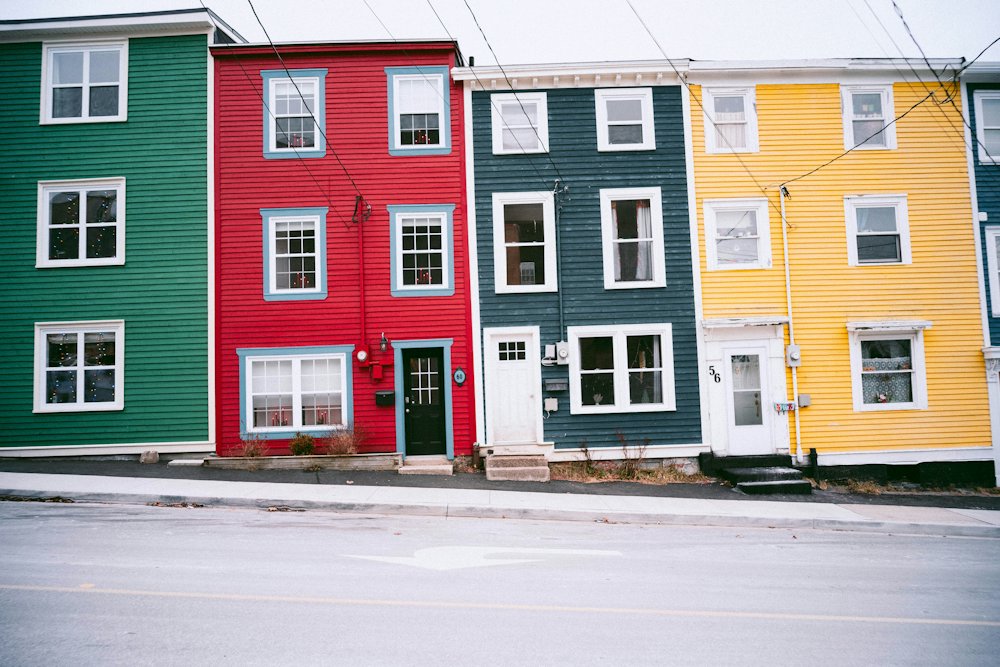
Jellybean Row houses, Signal Hill and the easternmost point in North America.