AlbertaNature & scenery
Banff & Lake Louise Day Tour from Calgary
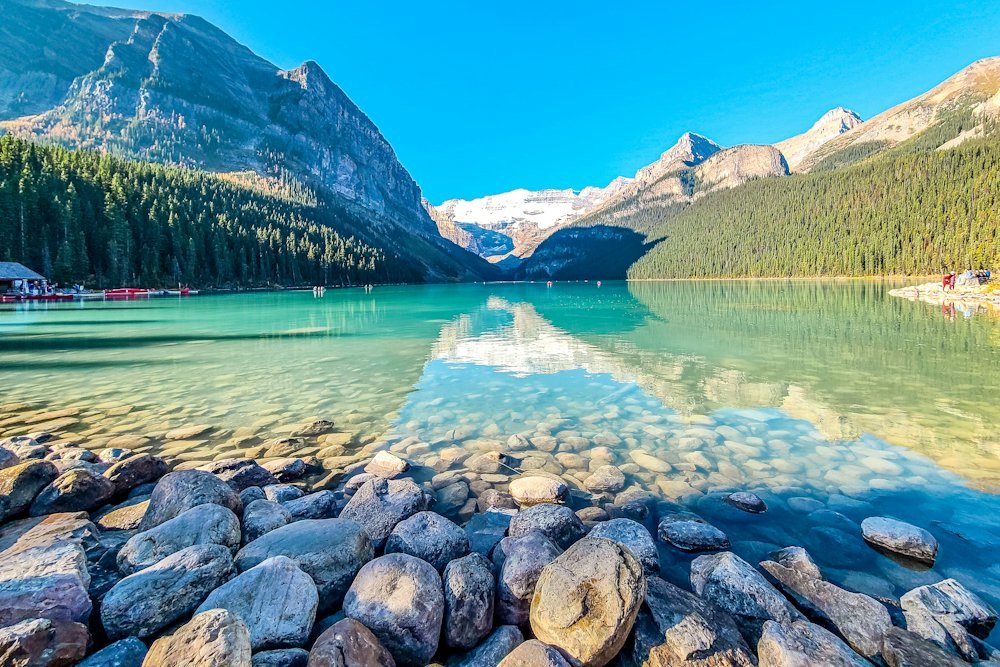
The classic Rockies day trip: Banff town, turquoise lakes and mountain viewpoints.
For most Canadian day tours, pack layers, comfortable closed shoes, a waterproof jacket, sun protection, water and snacks, a charged phone and photo ID. Adjust for the season and region: the Rockies need warm layers even in summer, the coast needs rain gear, and the north needs serious cold-weather clothing.
Canada’s weather can change within a single day, and a tour often crosses several climates. A morning in a city can be mild while an afternoon at a mountain lookout or on a boat is much colder and windier.
Layers solve this. Wear a light base layer, add a fleece or sweater, and carry a windproof and waterproof shell. You can add or remove pieces easily, and a small daypack keeps them within reach on the vehicle.
Avoid cotton as your base layer in cold or wet conditions, because it holds moisture and cools you down. Wool or synthetic fabrics dry faster and keep you warmer, and they matter most on cold days or on a boat.
These items suit almost every day tour, in every season.
Pack the night before, and keep the daypack light. A heavy bag becomes tiring over a long day, and most tours provide chances to leave nonessential items on the vehicle. If you are unsure about a specific item, ask when you request your quote.
Each season in Canada has its own demands. Use this quick guide, then check the regional notes below.
These are general patterns and not forecasts. Conditions vary from year to year, so look at the weather a few days before your tour and adjust.
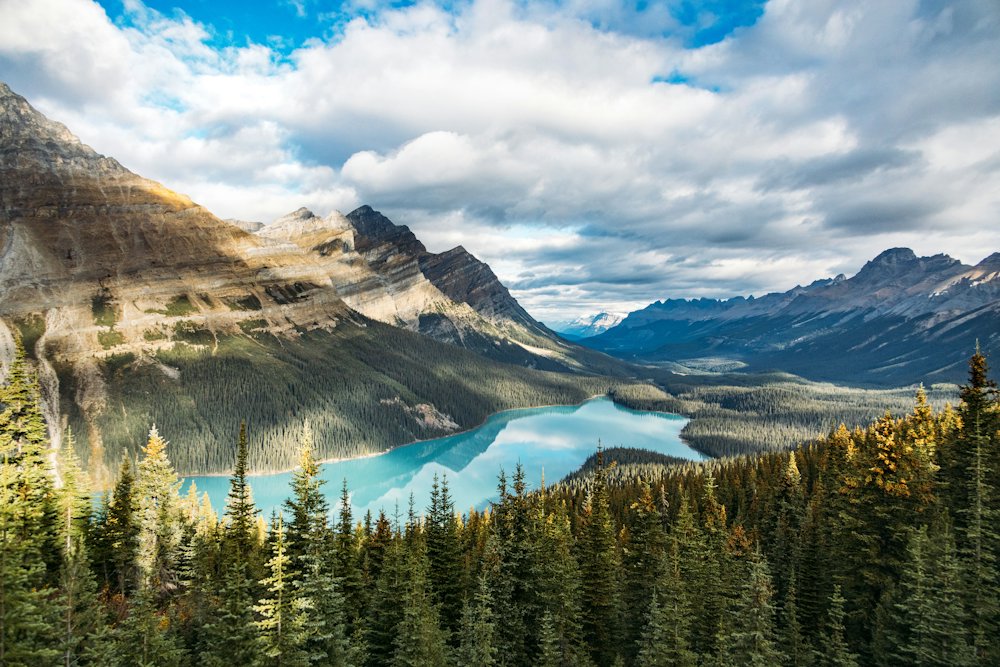
Mountain weather is unpredictable, and temperatures at lakes and glaciers are noticeably cooler than in the nearby towns. A warm layer is worthwhile even on a summer day, and snow at higher elevations is possible outside the peak months.
Sun is strong at altitude, and glare off snow, ice and water adds to it. Wear sturdy shoes for gravel paths and short walks, and bring a hat. Bear spray is not something to carry unless your guide says so, and it cannot be taken on flights.
Wildlife is a possibility, and you should keep a respectful distance. Pack binoculars if you have them, and bring a small daypack so you can carry layers, water and snacks along short trails.
Weather can turn quickly in the mountains. A bright morning can become a cold, windy afternoon, and rain at lower elevations may fall as snow higher up. Check the forecast for the specific area on the morning of the tour, and remember that cloud can hide the peaks even on a dry day.
Coastal British Columbia is mild, but rain is common, especially from autumn to spring. A waterproof jacket is more useful than an umbrella on windy waterfronts and ferry decks.
For whale watching or any boat trip, bring a warm layer, a windproof outer shell and a hat. It is almost always colder on the water than on land, and some operators provide extra outerwear, which is worth asking about.
Gardens and waterfront walks are enjoyable in light rain with the right jacket. If you tend to feel seasick, take motion-sickness medication before boarding rather than after symptoms begin, and ask a pharmacist about suitable options.
Summers can be hot and humid, with thunderstorms, and winters are properly cold. In Niagara, spray from the falls will soak you if you stand close, so a light rain jacket is practical in any season.
In forest areas such as Algonquin and the Laurentians, bring insect repellent in late spring and early summer, when mosquitoes and black flies are active. Autumn walks can be cool in the morning and warm by afternoon, so layers matter again.
City tours in Toronto, Montréal and Québec City involve a lot of walking on pavement and cobblestones. Supportive shoes make the biggest difference to how you feel at the end of the day.
Autumn and early winter are good times for comfortable walking shoes and a warm scarf, since wind off the lakes and the St. Lawrence River can be sharp. Spring thaw brings puddles and slush, so water-resistant footwear is a good idea.
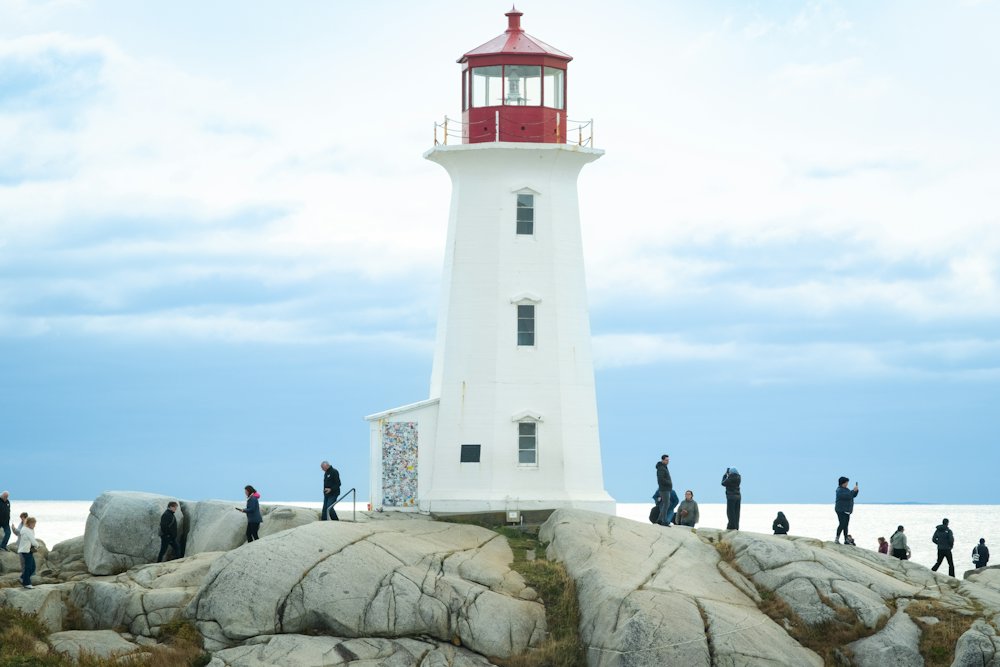
Coastal weather in Atlantic Canada can shift quickly, with fog, wind and sudden rain. At Peggy’s Cove, wet rocks near the water are slippery and dangerous, so wear shoes with grip and stay well back from the waves.
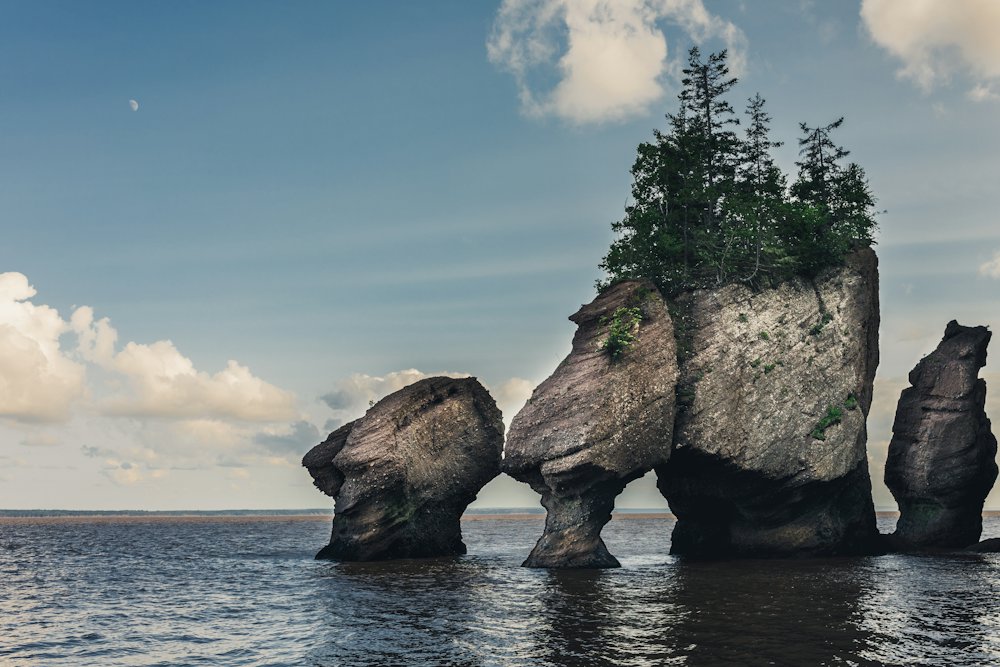
On the Bay of Fundy, the shore at Hopewell Rocks can be muddy and slippery at low tide, and the tide times shape the schedule. Wear footwear you can get dirty and bring a change of socks. Newfoundland adds wind, so a snug hat and a windbreaker are useful.
In summer, mornings on the coast can be cool and foggy even when inland areas are warm. Bring a sweater for the vehicle, because air conditioning can feel cold after time in the sun, and keep a compact rain layer within reach for sudden showers.
In summer the north has long daylight, and insects can be intense near water and forest, so bring repellent and a head net if you are sensitive to bites. Evenings can still cool quickly.
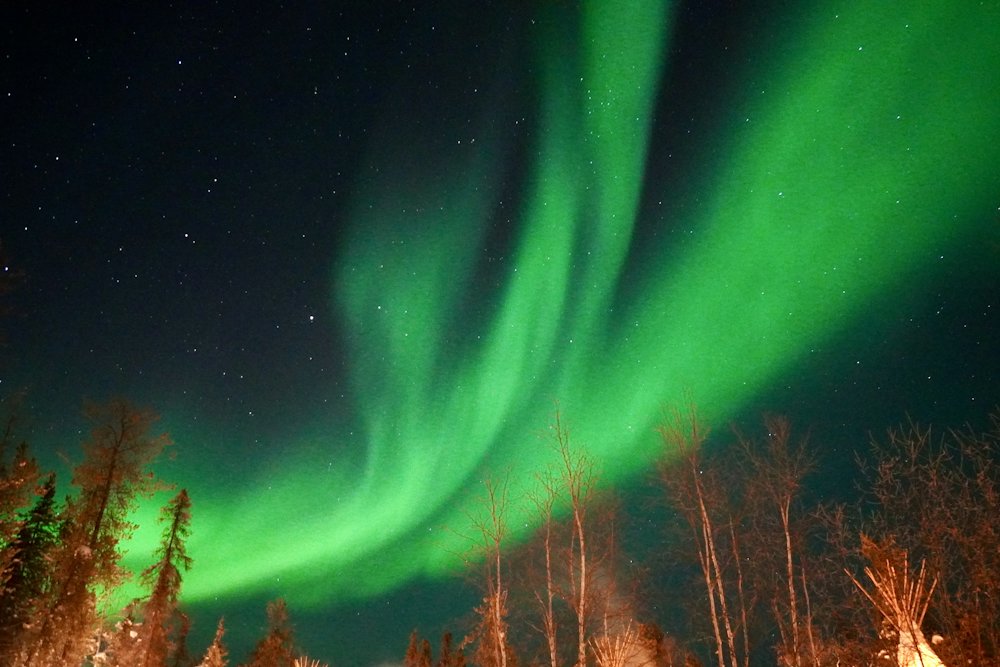
In winter, particularly for aurora evenings in Yellowknife, temperatures are often well below minus 20 and can fall further. You need a proper parka, insulated boots, mittens, a warm hat and face protection. Ask whether the operator provides cold-weather gear, and see our Yellowknife guide for details.
Northern distances are large and services are limited outside towns, so carry water, snacks and any medication in your daypack rather than in luggage. A power bank is useful, since cold drains batteries quickly.
Carry photo ID for alcohol tastings, and keep your passport or travel documents safe at your hotel unless you need them. Bring a payment card and a little cash for small purchases, tips and tolls, and know that some remote stops may have limited services.
Finally, tell the operator about mobility needs, dietary needs and allergies when you request a quote. BookTours.ca replies by email and sends an itemised quote, so you can ask what to bring for your specific tour and date.
A few small extras are worth the space: a reusable water bottle, a small towel for wet seats or spray, a zip bag for your phone near water, and a lightweight tote for purchases.
Dress in layers with comfortable closed shoes and a waterproof, windproof outer layer. Adjust for the region and season, since conditions can change quickly.
Usually not. Sturdy walking shoes with good grip are enough for most tours, although wet or muddy sites and winter conditions call for more grip.
Days can be pleasant, but lakes, glaciers and high viewpoints are noticeably cooler and windier. Bring a warm layer and a rain jacket even in July.
In forests, near water and in the north, mosquitoes and black flies are common in late spring and summer. Insect repellent is a sensible addition.
Photo ID, your quote confirmation and any medication. Passports are generally better kept safe unless the tour requires them.
Tell us your dates and group size and we will email an itemised quote. Free, no obligation, no online payment. Request a quote
AlbertaNature & scenery
The classic Rockies day trip: Banff town, turquoise lakes and mountain viewpoints.
AlbertaNature & scenery
Travel the legendary Banff–Jasper road past glaciers, waterfalls and mountain lakes.
Nova ScotiaCity sightseeing
Halifax’s waterfront and Citadel, then the lighthouse at Peggy’s Cove.
New BrunswickNature & scenery
Walk the ocean floor at low tide and watch the Bay of Fundy tides.
Northwest TerritoriesNature & scenery
A guided evening outside the city for the best chance of seeing the aurora.