OntarioFood & wine
Niagara-on-the-Lake Wine Tour from Toronto
Taste Niagara’s ice wines and cool-climate wines in one of Ontario’s prettiest towns.
Canada’s best-known wine and food day tours are Niagara-on-the-Lake, the Okanagan, the Annapolis Valley and walking food tours in Vancouver, Toronto and Montréal. A guided tour lets everyone taste without driving, and the quote should state how many stops, which tastings and which meals are included.
Canada’s wine regions are spread across the country, and food culture varies from city to city, so the right tour depends on where you are staying. Three regions are especially well suited to a day tour: the Niagara peninsula near Toronto, the Okanagan Valley near Kelowna and the Annapolis Valley near Halifax.
In cities, walking food tours replace the vineyard drive with a few hours on foot, visiting small restaurants, bakeries and markets. Both formats suit travellers who want local flavour without planning each stop themselves.
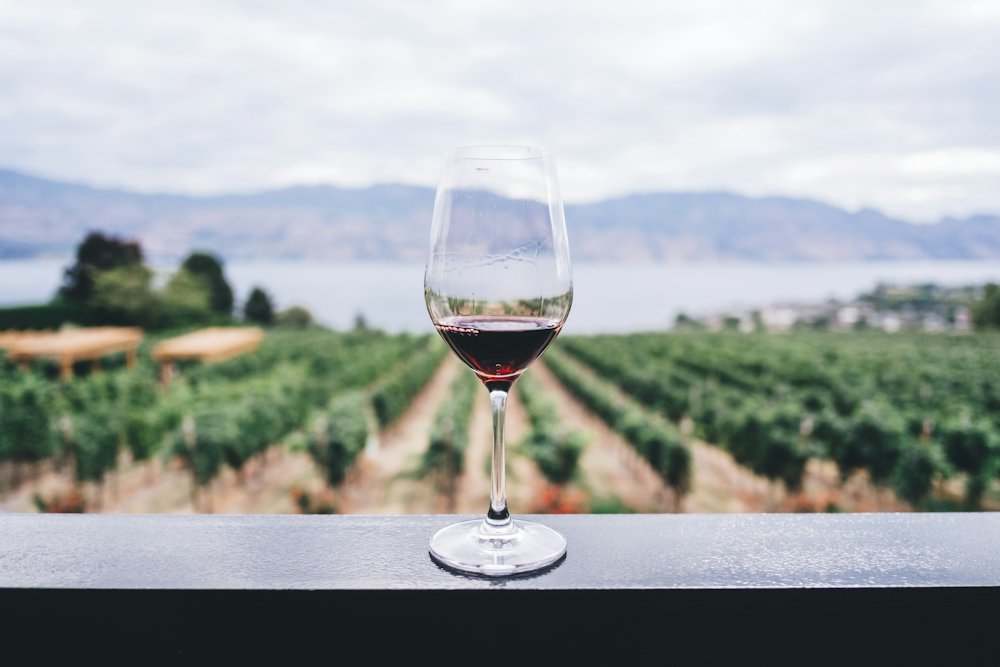
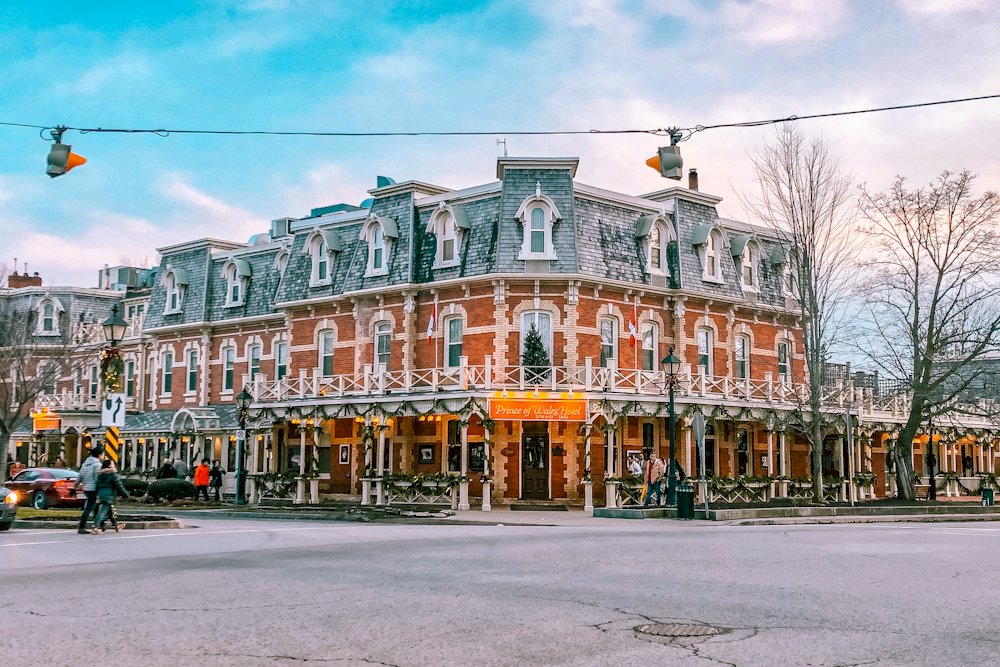
Niagara-on-the-Lake sits at the mouth of the Niagara River, about 90 minutes from Toronto, and its wineries are close to the pretty heritage town. The region is known for cool-climate wines, including Riesling, Chardonnay and Cabernet Franc, and for ice wine, made from grapes harvested while frozen on the vine.
Harvest in September and October is a lively time to visit, but the region is open year-round. Many wine tours add a short stop at the falls or the town itself, so ask whether your day is mostly tastings or a mix of sights.
Ice wine is a winter specialty. The grapes are typically picked on cold nights once temperatures fall to about minus eight, so a winter trip can include a rare chance to learn how it is made, and it is a sweet wine usually served in small glasses. Many wineries sit near one another, which keeps the driving short between stops.
The Okanagan is a long valley of lakes, orchards and vineyards in the interior of British Columbia. Kelowna is a convenient base, and its surrounding wineries are known for a wide range of whites and reds, with warm summers and dry, sunny weather.
Distances between estates can be longer than first-time visitors expect, which is another reason to have a driver. Our Kelowna tour is listed from April to October, with year-round touring possible by arrangement, so ask about your dates.
Visiting in summer, expect heat, lakeside views and roadside fruit stands, while autumn brings harvest activity and cooler afternoons. Some estates ask for reservations for tastings, which is another detail a tour operator handles in advance.
The Annapolis Valley is Nova Scotia’s farming heartland, with orchards, farm markets and a growing wine scene. The region is also tied to Acadian history, and Grand-Pré is a well-known historic site in the valley.
Tours here tend to blend landscape, history and tasting, and are listed from May to October. The valley is a good fit for travellers who want a quiet countryside day rather than a busy tasting circuit. Nova Scotia’s wineries are known for crisp whites and sparkling wines, including a regional white called Tidal Bay.
Grand-Pré is also recognised as a UNESCO World Heritage site, and a visit gives the wine and farm stops some historical depth. The Bay of Fundy, with its famous tides, lies on the valley’s doorstep, which is why some travellers pair the valley with a day on the coast.
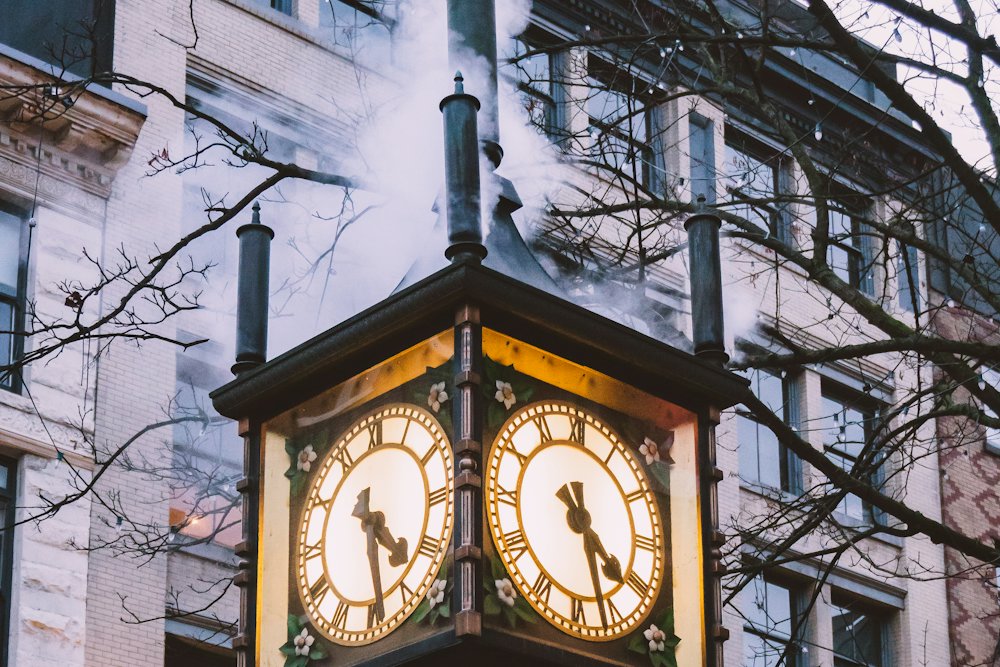
Walking food tours cover a small area slowly, with a guide explaining the history behind each stop. In Vancouver, the Gastown and Chinatown route links two of the city’s oldest neighbourhoods. In Toronto, Kensington Market and the St. Lawrence area offer a mix of immigrant-run food stalls and long-standing market vendors. In Montréal, food tours often highlight local specialties such as bagels and smoked meat.
These tours run year-round and take about three hours. Dress for weather, wear comfortable shoes, and tell the operator about allergies or dietary needs early, because small kitchens cannot always substitute on the spot.
Portions on a food tour add up to a full meal, so arrive hungry but do not plan a large lunch. Wear comfortable shoes and dress for the weather, since most of the time is spent walking between stops. Groups are usually small, which makes it easy to ask the guide questions about ingredients and history.
A small shared group can be sociable, and you may enjoy meeting other travellers while you sip. A private tour lets you set the pace, ask for more time at a favourite estate or skip a stop that does not interest you.
Either way, group size matters in tasting rooms. A very large group can feel rushed, and smaller groups tend to get more time with the person pouring. Ask the quote for the maximum number of guests and for how long you will stay at each stop.
Impaired driving laws in Canada are strict, and tasting rooms pour generously across a day of visits. The simplest solution is to let a professional drive, so everyone in your group can taste, including the person who would otherwise be the designated driver.
A guided tour also removes the stress of navigating between estates, parking and watching the clock. If you are comparing a tour with a rental car, count the cost of the designated driver’s lost experience as part of the comparison.
In rural wine country, taxis and ride-hailing can be limited, so relying on a late pick-up is a gamble. A tour that returns you to your hotel as part of the same booking is simpler and avoids this problem completely.
Tasting is a relaxed activity, but a few habits help. Tastings are small pours meant for sipping and discussing, and pouring out what you do not want to finish is normal, as is using the spittoon. Eat before and during the day, drink water between stops, and pace yourself.
The legal drinking age is 19 in most provinces and 18 in Alberta, Manitoba and Québec, so carry photo ID. Tasting fees, and whether they are waived with a purchase, vary by winery. If you buy bottles, ask where they will be stored on the vehicle, and remember that bottles generally need to go in checked luggage on flights.
Wine and food tours differ more than most day trips, so details matter. Use these questions when you request a quote.
Finally, confirm timing. A full wine day often runs eight to nine hours including travel, and a food walk runs about three hours, so plan any dinner reservations around the tour’s expected return rather than the start time.
Niagara-on-the-Lake is the easiest from Toronto, the Okanagan suits visitors based in Kelowna, and the Annapolis Valley works from Halifax. The best choice is the one closest to where you are staying.
It is the safest and most practical choice. A driver-guide means everyone can taste without worrying about driving between estates.
It varies by tour. Ask the quote to state clearly whether tasting fees and any meals are included or paid on the day.
Often yes, with notice. Tell the operator about allergies, vegetarian or other needs when you request the quote, because small kitchens cannot always adjust at the last minute.
It is 19 in most provinces and 18 in Alberta, Manitoba and Québec. Bring photo ID, since tasting rooms may ask for it.
Tell us your dates and group size and we will email an itemised quote. Free, no obligation, no online payment. Request a quote
OntarioFood & wine
Taste Niagara’s ice wines and cool-climate wines in one of Ontario’s prettiest towns.
British ColumbiaFood & wine
Visit several Okanagan wineries and taste local wines without worrying about driving.
Nova ScotiaFood & wine
Orchards, vineyards and the UNESCO-listed Acadian landscape of Grand-Pré.
British ColumbiaFood & wine
A walking tasting tour through Vancouver’s oldest districts and their independent eateries.
QuebecFood & wine
Bagels, smoked meat, pastries and more on a guided tasting walk.